



Community support is more than just helping others; it is a transformative force that strengthens individuals and society as a whole. It empowers people to overcome challenges, fosters collaboration, and builds a sense of belonging. In today’s fast-paced world, challenges such as education gaps, health concerns, and social isolation can feel overwhelming. Through structure, these challenges can be addressed effectively, creating lasting change. Platforms like Sevak Army show how organized volunteer efforts and precise task matching can maximize the impact of every contribution, helping both volunteers and communities thrive.
By connecting people who want to help with causes that need assistance, it becomes a powerful tool for building resilient, compassionate communities. It ensures that efforts are purposeful, impactful, and sustainable.
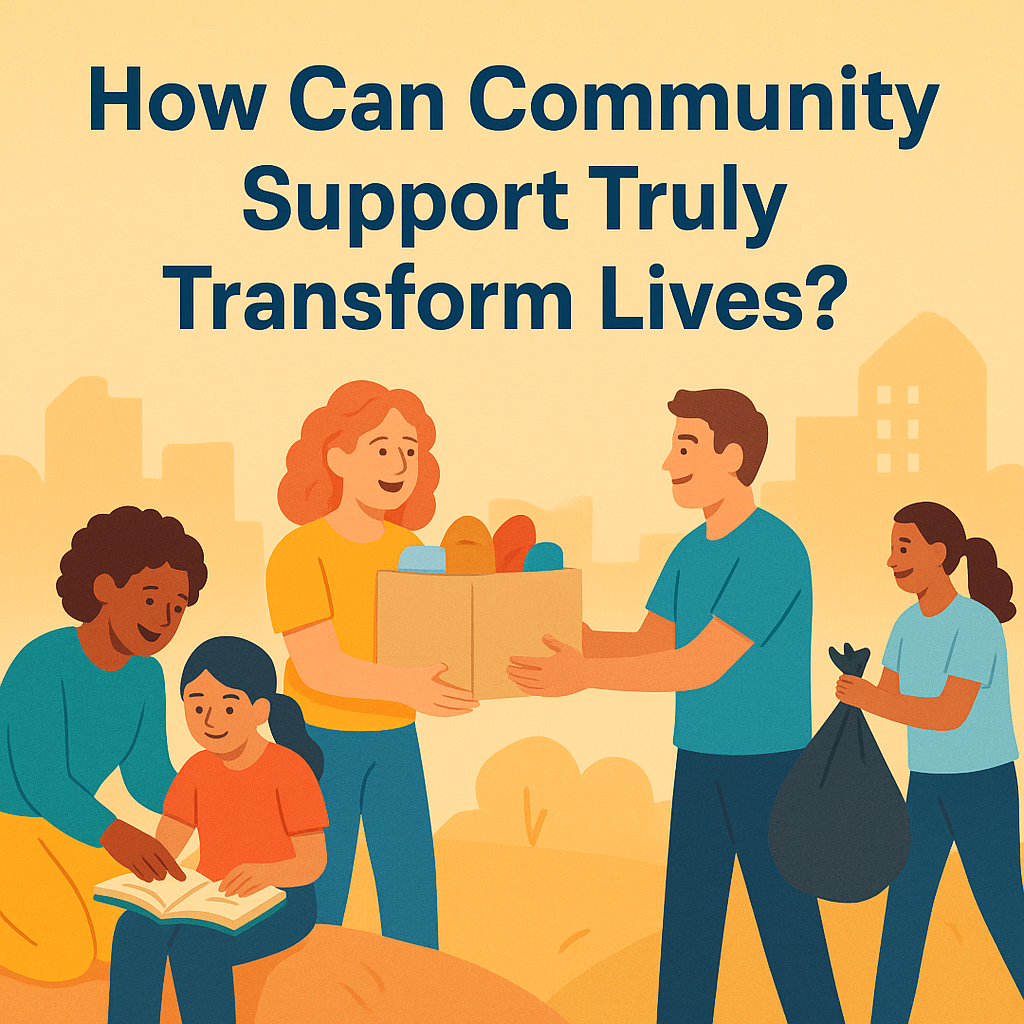
Table of Contents
Understanding the Importance of Community Support
Involves individuals and groups coming together to provide assistance, guidance, and encouragement. It is not limited to financial aid but includes emotional support, practical help, and skill sharing. Key aspects include:
Emotional Support: Offering empathy, encouragement, and reassurance.
Practical Assistance: Helping with day-to-day tasks, organizing events, or providing resources.
Skill Sharing: Using knowledge and expertise to benefit others.
The benefits extend beyond the immediate help provided. It fosters a sense of belonging, builds confidence, and strengthens the bonds between community members. People feel valued and motivated to contribute further, creating a positive cycle of giving and growth.
Platforms like Sevak Army illustrate the power of organized Volunteers are connected with NGOs and causes that align with their skills and interests, ensuring their efforts have maximum impact.
The Role of Task Matching in Volunteering
One of the major challenges in volunteering is ensuring that tasks align with a volunteer’s skills, availability, and passion. Without proper alignment, volunteers may feel underutilized, disengaged, or even frustrated. This is where it plays a crucial role.
Ensures that volunteers are assigned roles suited to their abilities and interests. For example, a person with teaching experience can mentor students, while someone with organizational skills may help coordinate community events. This alignment not only enhances the volunteer’s experience but also maximizes the benefit to the community.
The Sevak Army exemplifies effectiveness by connecting volunteers to the right opportunities. Volunteers are empowered to contribute meaningfully, while communities receive support that truly addresses their needs. By combining passion, skills, and opportunity, both volunteers and communities experience meaningful results.
Real-Life Examples of Community Support
Imagine a local food distribution initiative. Volunteers who are properly matched to specific roles, such as logistics, distribution, or awareness campaigns, ensure that resources reach the right people efficiently. A single volunteer’s contribution, when aligned with their skills, can create a ripple effect that improves the lives of hundreds.
In education initiatives, children benefit the most when volunteers with teaching skills are assigned to tutoring roles, helping bridge learning gaps and inspire a love for knowledge. Similarly, health awareness campaigns become more effective when volunteers with strong communication skills manage outreach, organize workshops, and provide vital information to the community. Platforms like Sevak Army make it possible to connect volunteers with the opportunities where they can make the greatest impact, ensuring every effort is meaningful and well-coordinated.
Moreover, such initiatives strengthen the community itself. Residents witness tangible positive changes, local engagement increases, and a culture of giving, collaboration, and mutual support develops. Each successful initiative reinforces the idea that collective action can address local challenges efficiently, create lasting bonds, and inspire more people to step forward, fostering a resilient and empowered community.
Benefits
Emotional Well-being: People feel valued, supported, and less isolated.
Skill Development: Volunteers gain practical experience and develop new abilities.
Stronger Social Bonds: Engagement creates lasting relationships between volunteers and recipients.
Community Empowerment: Organized efforts address local issues more effectively.
Purpose and Fulfillment: Volunteers gain a sense of purpose, enhancing personal satisfaction.
When combined with effective task matching, these benefits are magnified. Volunteers feel empowered, and communities receive organized, targeted assistance that brings sustainable change.
Pro Tips
- Leverage Local Networks
Connect with schools, NGOs, and local organizations to identify areas of need. - Align Skills with Needs
Use Sevak Army to ensure volunteers are matched to tasks that suit their expertise. - Encourage Diversity
Inclusive participation brings new perspectives and strengthens solutions. - Maintain Clear Communication
Keep volunteers informed and engaged through regular updates. - Provide Training
Equip volunteers with guidance and resources to perform their roles confidently. - Recognize Contributions
Celebrate volunteer efforts to motivate continued involvement. - Collaborate Strategically
Partner with other organizations for resource sharing and wider impact. - Monitor and Evaluate
Regularly assess outcomes to improve the effectiveness of initiatives. - Focus on Sustainability
Design programs that create long-term benefits rather than temporary fixes. - Stay Committed
Consistency ensures trust, builds credibility, and strengthens community resilience.
These tips highlight how structured volunteer efforts and proper task matching can maximize the positive impact.
FAQs
1. How does community support benefit both volunteers and recipients?
Provides assistance to those in need while giving volunteers a sense of purpose, satisfaction, and personal growth. The interaction strengthens social bonds, encourages ongoing participation, and creates a culture of giving that benefits the entire community.
2. How can I find volunteer opportunities near me?
Check online platforms, local NGOs, community centers, or social media groups. Websites like Sevak Army offer verified opportunities tailored to different skills and locations.
3. What skills are most valuable in volunteering?
Teaching, communication, organization, and technical skills are in high demand. However, enthusiasm, empathy, and a willingness to learn are equally important for effective contribution.
4. How do volunteers stay motivated over time?
Set personal goals, celebrate achievements, and maintain regular engagement with the community. Volunteering with like-minded individuals also fosters encouragement and sustained motivation.
5. What is the key to long-term impact in volunteer work?
Consistency, skill alignment, and collaboration with organizations ensure that volunteer efforts produce meaningful, lasting results. Structured programs and ongoing engagement help communities thrive sustainably.
Conclusion
Community support is a powerful tool that transforms lives by fostering connection, empowerment, and positive change. Platforms like Sevak Army demonstrate how structured volunteering and careful task matching ensure that volunteers contribute where they are most effective. By combining purpose-driven action, aligned skills, and consistent engagement, communities and volunteers thrive together. This approach creates a ripple effect of compassion, empowerment, and sustainable improvement, proving that collective action truly transforms lives.
