



NGO partnerships are at the heart of sustainable development. They bring together different organizations, volunteers, and communities to create impact that no single group could achieve alone. By pooling resources, expertise, and ideas, these partnerships help solve pressing issues in ways that are long-lasting and meaningful. With the support of platforms like Sevak Army, NGOs, and individuals, they can find opportunities to work together and build stronger communities.
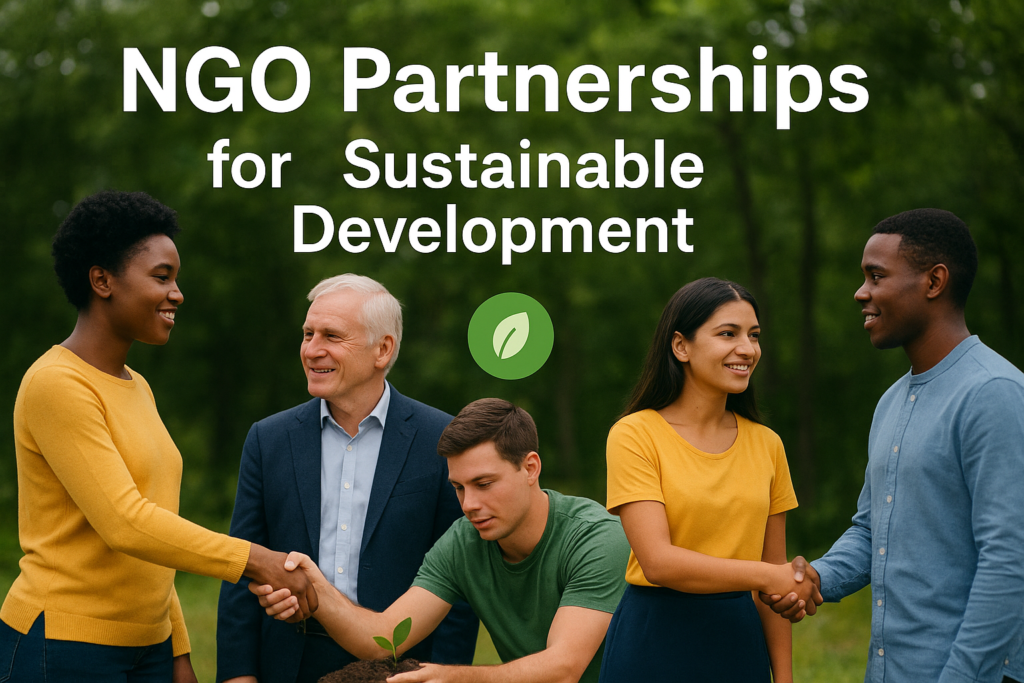
Table of Contents
The Power of NGO Partnerships
Collaboration is the key to growth. When NGOs join forces, they can achieve more than they could individually. They are not only about sharing funds but also about combining values and missions. They allow organizations to bring their best qualities forward while supporting each other where they may lack resources. This ensures that projects are executed smoothly, communities are served effectively, and accountability remains strong.
A central benefit of such partnerships is their ability to strengthen nonprofit initiatives. From education programs to health camps and disaster relief projects, nonprofit work becomes more effective when organizations collaborate. These initiatives reach more people, create deeper impact, and gain recognition that helps them continue their mission.
Why Sustainable Development Needs NGO Partnerships
Sustainable development means meeting today’s needs without harming the future. It is about creating growth that benefits people, society, and the environment. They are vital for this goal because they focus on empowerment rather than dependency. By working together, NGOs design solutions that communities can carry forward for years.
Through the Sevak Army, these collaborations get visibility, making it easier for them to connect with volunteers and supporters. With added credibility, projects can attract funding and create trust within the communities they serve. At the same time, they gain strength by becoming part of larger networks, which helps them scale their efforts and address bigger challenges.
The Role of Nonprofit Initiatives in Development
While large partnerships provide structure, they bring energy and innovation. These initiatives often emerge directly from local needs. For example, a small group of volunteers may start a food drive or literacy program in their area. On their own, such efforts may be limited, but when linked with NGOs, they gain direction, resources, and long-term support.
This partnership model creates a balance: NGOs get ground-level insights, and initiatives receive professional guidance and funding. Together, they ensure that solutions are both practical and sustainable. In many cases, they also act as testing grounds for new ideas, which, if successful, can be scaled up by NGOs to reach wider communities.
Benefits of Strong Collaborations
Shared Resources—NGOs can pool financial support, volunteers, and tools to deliver stronger results.
Greater Visibility—Partnerships bring attention from the public, media, and funders, which helps expand reach.
Volunteer Growth – Collaborations offer more meaningful roles for volunteers, increasing engagement.
Clear Accountability—Working together promotes openness, which builds community trust.
Stronger Impact—Successful models can be repeated in new areas, multiplying benefits.
When aligned, they create a system where innovation, accountability, and community needs go hand in hand.
Pro Tips for Building Successful NGO Collaborations
- Define Clear Goals.
Start by setting specific objectives. For example, decide whether the partnership aims to improve education, healthcare, or livelihood opportunities. A shared goal ensures everyone is moving in the same direction. - Choose Partners Wisely.
Look for organizations with similar values. A health-focused NGO should collaborate with partners who also prioritize wellness. This creates alignment and reduces conflicts. - Strengthen Communication.
Hold regular meetings and updates. Open dialogue prevents misunderstandings and helps teams stay motivated. - Leverage Volunteer Platforms.
Use platforms like the Sevak Army to bring in volunteers. These platforms connect skilled individuals to causes where their talents can make the most difference. - Acknowledge Nonprofit Initiatives.
Respect grassroots efforts. Partnering with local initiatives ensures that projects reflect real needs rather than top-down assumptions. - Measure and Share Results.
Volunteers thrive on appreciation. Certificates, shout-outs, or community events to honor them keep morale high. - Offer Volunteer Recognition.
Volunteers thrive on appreciation. Certificates, shout-outs, or community events to honor them keep morale high. - Promote Transparency.
Be open about budgets, planning, and decision-making. Communities are more likely to support NGOs that remain transparent. - Focus on Long-Term Impact.
Avoid short-term fixes. For example, instead of just distributing food, also create training programs that empower communities to be self-reliant. - Stay Flexible.
Situations change, whether due to natural disasters or shifting community needs. Being adaptable helps NGOs continue their work without disruption.
FAQs
Q1: Why are NGO partnerships essential for sustainable development?
They combine resources, knowledge, and networks to create stronger and more lasting projects. By working together, NGOs can scale up their efforts, provide transparent results, and design solutions that benefit communities for years.
Q2: How do volunteers benefit from working with NGOs?
Volunteers gain hands-on experience, confidence, and recognition while contributing to social good. Their involvement makes a real difference in communities, and they also develop skills that can help them in future opportunities.
Q3: What challenges do NGOs face in collaboration?
Challenges often include limited funds, unclear roles, and communication issues. With proper planning, respect, and accountability, these obstacles can be managed and partnerships can thrive.
Q4: How can communities contribute to nonprofit initiatives?
Communities can take part by attending meetings, offering feedback, and volunteering. Their input ensures projects remain practical and effective while meeting genuine needs.
Q5: Why is recognizing volunteers important in nonprofit work?
Recognition motivates volunteers to stay committed. Simple gestures like thank-you notes, certificates, or public appreciation events make them feel valued and increase long-term involvement.
Conclusion
No single organization can solve complex challenges alone. NGO partnerships are essential for building sustainable solutions that last. They provide structure, accountability, and the resources needed to scale impact. At the same time, nonprofit initiatives bring creativity and local action, ensuring projects are rooted in real community needs.
Partnerships also encourage knowledge sharing, where organizations learn from one another’s experiences, avoid duplication of efforts, and find innovative ways to tackle pressing issues. This collaborative spirit creates a multiplier effect—every contribution, whether time, funds, or expertise, goes further when aligned with a common vision.
