



Volunteer recognition is the starting point for creating stronger communities and deeper impact. While volunteering is often driven by kindness and goodwill, the truth is that people thrive when their efforts are acknowledged. Recognition is not just a thank-you gesture.
It is a powerful way of sustaining engagement, inspiring growth, and multiplying contributions. At the Sevak Army, recognition is not an afterthought but a central value that nurtures belonging. Combined with leadership in volunteering, it transforms how individuals give back and how organizations build movements.
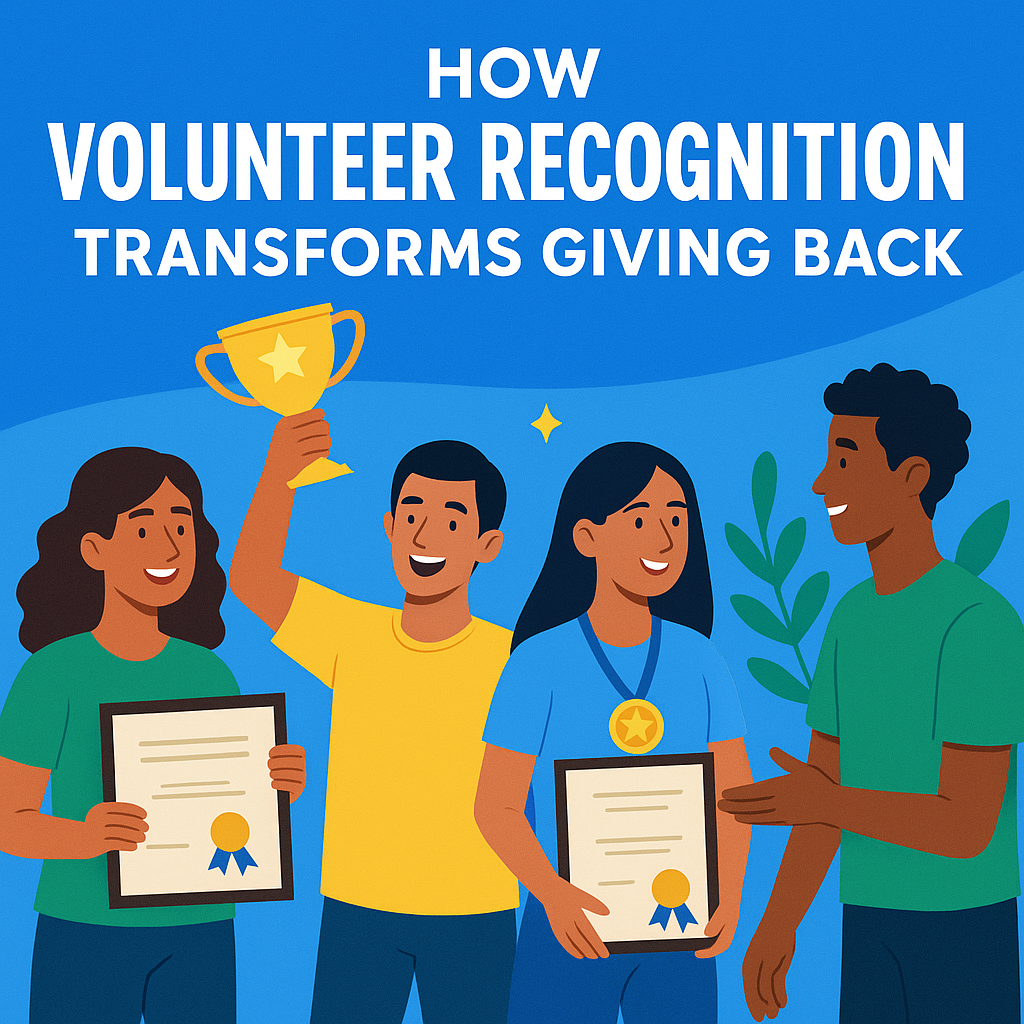
Table of Contents
What is Volunteer Recognition and Why It Matters
Refers to the formal and informal ways organizations appreciate their volunteers. This could be certificates, awards, digital badges, ambassador roles, or even simple acts of gratitude. At the Sevak Army, recognition is built into every program, making volunteers feel seen and valued.
Why does this matter? Because recognition fuels motivation. Volunteers are more likely to continue when their work is visible and appreciated. For organizations, recognition reduces dropouts and increases loyalty. It also attracts newcomers who see that giving time and skills has lasting value. More importantly, it elevates, ensuring that those who step up receive encouragement to guide others.
Recognition matters because it validates the hours, energy, and passion volunteers put in. It also turns short-term helpers into long-term changemakers. When recognition is missing, even the most committed people may lose energy. When it is present, every act of service grows into a ripple effect of social impact.
How Sevak Army Implements
Sevak Army (sevakarmy.com) has created a culture where recognition is woven into every stage of volunteering. Here’s how they do it:
- Recognition Events: Volunteers are honored in gatherings where their stories are shared, awards are given, and milestones are celebrated. This public spotlight inspires peers and builds a sense of pride.
- Digital Certificates and Badges: Every contribution can be turned into a credential that volunteers display on resumes or share online. This makes their impact both personal and professional.
- Ambassador Opportunities: Volunteers can become ambassadors, taking on leadership roles where they motivate and guide others. These positions are a form of recognition and skill development.
- Leaderboards and Employee Volunteering Acknowledgement: For organizations, Sevak Army enables leaderboards and recognitions that showcase top contributors.
Together, these methods show that recognition is not one-time praise. It is a system of appreciation that encourages growth and ties directly.
Impact of Recognition on Volunteer Retention and Growth
Retention is a major challenge in volunteer programs. People join with excitement but may leave if they feel invisible. Recognition changes that. When volunteers see that their contributions matter, they are motivated to stay longer and do more.
Recognition also creates role models. When one volunteer is recognized, others are inspired to step forward. Over time, this fosters a place where recognized individuals mentor new volunteers. This cycle of recognition and leadership ensures growth, continuity, and a thriving community.
In the Sevak Army’s approach, recognition is not just for star performers. It also highlights consistency, teamwork, and small wins. By appreciating different types of effort, they make every volunteer feel included.
Role of Leadership in Volunteering Alongside Recognition
Leadership in volunteering is about stepping up to coordinate, mentor, and inspire others. Recognition is what sustains this leadership. Without acknowledgement, leaders may feel overburdened. But when recognized, they are motivated to keep leading and growing.
The Sevak Army builds leadership by running ambassador programs, working with schools, and partnering with organizations. Recognizing leaders ensures they don’t just give time but also shape the future of volunteering by setting examples. This combination of recognition and leadership creates stronger, self-sustaining volunteer communities.
Pro Tips to Maximise
Here are detailed strategies to make recognition and leadership work together effectively:
- Create Milestone Awards
Celebrate hours, projects, or contributions with tangible certificates or digital awards. Volunteers love to see progress rewarded. - Use Digital Badges and Certificates
Make recognition shareable online. Digital badges help volunteers showcase their impact in professional spaces. - Host Public Recognition Events
Organize ceremonies where achievements are shared in front of peers. This makes recognition memorable and motivating. - Offer Leadership Roles
Allow volunteers to become ambassadors, mentors, or project leads. Recognition becomes growth when paired with responsibility. - Make Recognition Personal
Tailor thanks each volunteer. A personal note or specific compliment has more impact than a generic thank-you. - Visibility and Sharing Success Stories
Share volunteer stories through blogs, social posts, or community boards. Highlighting impact encourages others to join. - Peer Recognition
Let volunteers nominate and appreciate each other. This builds solidarity and strengthens leadership in volunteering from the ground up. - Provide Feedback and Development Opportunities
Recognition is more effective when paired with feedback and training. This helps volunteers grow and take on larger roles. - Reward Consistency
Acknowledge those who show up regularly, not just one-time heroes. Consistency is the backbone of sustainable service. - Ensure Fairness and Clarity
Recognition should follow clear criteria. Volunteers trust the system when appreciation feels transparent and inclusive.
How Volunteer Recognition Transforms the Giving Back Culture
When recognition is consistent and tied to volunteering shifts, it goes from being a duty to a movement. Volunteers feel empowered and motivated. Communities see visible role models. Organizations gain loyal, skilled contributors.
Sevak Army shows how recognition can create a ripple effect: volunteers inspire new participants, leaders guide communities, and the cycle of giving continues. Recognition ensures contributions are valued, while leadership multiplies impact. Together, they create a culture where giving back is joyful, visible, and lasting.
FAQs
1. What are the benefits of volunteer recognition for both volunteers and organizations?
Improves morale, strengthens retention, and helps volunteers feel valued. Organizations gain committed people who deliver better results. Recognized volunteers become ambassadors, inspiring others. The mutual benefits create a stronger culture of service.
2. How can leadership roles improve volunteer satisfaction?
Leadership roles give volunteers a sense of responsibility and purpose. They gain skills, guide peers, and influence projects. This not only raises satisfaction but also builds confidence. Leadership turns service into personal and community growth.
3. What types of recognition are most effective?
Effective recognition combines both formal and informal approaches. Certificates, digital badges, and events work well. Small gestures like personal thank-you messages are equally powerful. The most effective systems are timely, genuine, and inclusive.
4. How do you ensure recognition is fair and motivating?
Recognition works best when it is transparent. Having clear criteria ensures fairness. Listening to feedback keeps it relevant. When recognition feels genuine and unbiased, volunteers trust the process and stay motivated.
5. Can recognition help scale volunteer efforts?
Yes. Recognition creates ambassadors who inspire more people to join. Leaders pass on their skills, multiplying the impact. Visible appreciation attracts fresh volunteers. This scaling effect ensures sustainability and wider community reach.
Conclusion key point
- Volunteer recognition turns goodwill into sustained service by motivating and appreciating people.
- Sevak Army recognizes volunteers through events, digital badges, ambassador roles, and leaderboards.
- Recognition boosts retention, inspires role models, and builds leadership in volunteering.
- Actionable strategies such as milestone awards, peer recognition, and fairness make recognition effective.
- Combining recognition with leadership creates a culture of giving back that is strong, inspiring, and sustainable.
The Sevak Army demonstrates that giving back is not only about service but also about recognition, leadership, and shared impact. Explore more at the Sevak Army.
