



Volunteer rewards play a key role in appreciating the dedication and efforts of volunteers. By providing meaningful acknowledgment, organizations can motivate individuals to continue contributing their time and skills while also fostering a positive and engaged community. Platforms like sevakarmy.com make it easier to implement effective volunteer recognition programs, ensuring every effort is acknowledged. With the right rewards and recognition, volunteers feel valued and inspired to make a bigger impact.
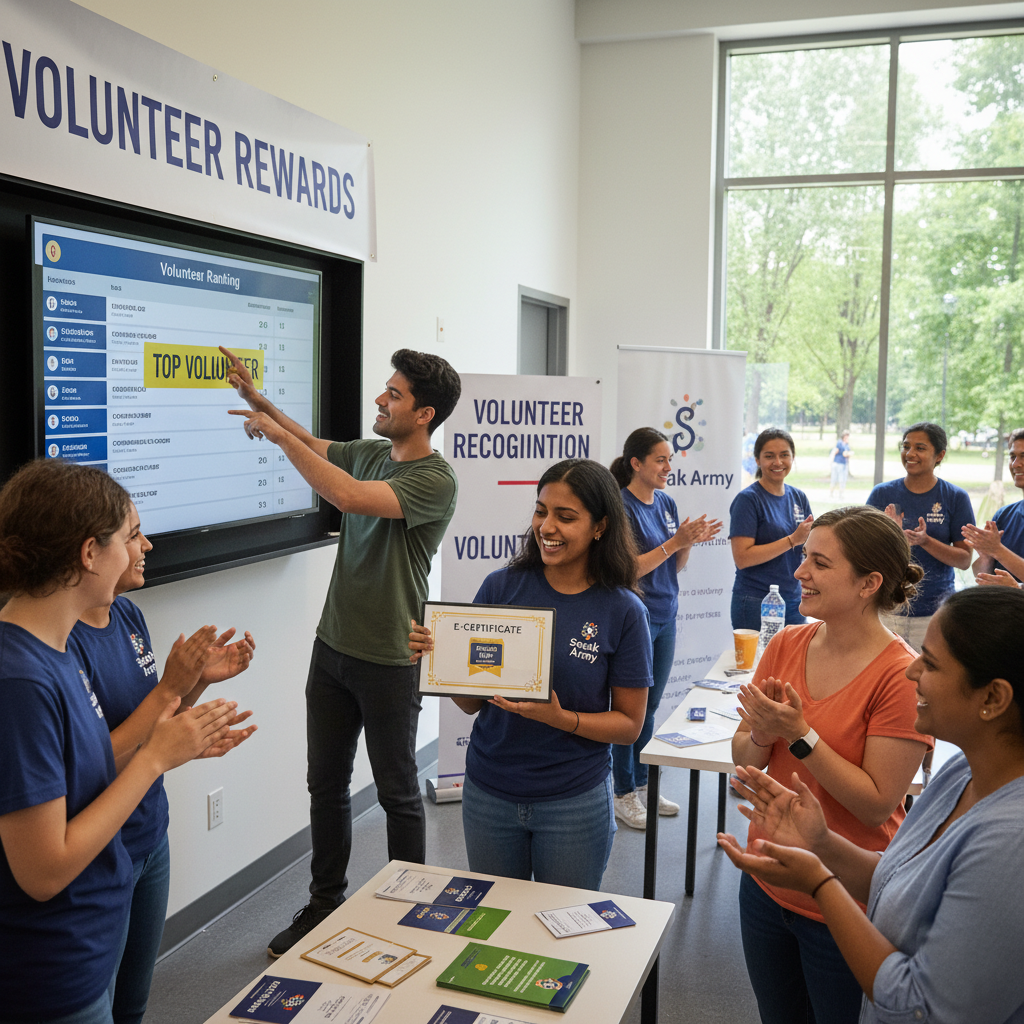
Table of Contents
What They Are and Why They Matter
Motivating volunteers comes from validating their hard work. When paired with thoughtful recognition, this creates lasting emotional bonds with the organization. Over time, those who receive consistent appreciation become more loyal, committed, and inspired to continue contributing. They begin to feel like essential members of the mission.
How Rewards Enhance the Impact
- Rewards are made meaningful:Without recognition, a reward risks being just another item. Recognition makes it clear why the reward was earned.
- Rewards create community: Recognizing volunteers publicly fosters a sense of belonging
- Recognition boosts morale: Volunteers who are recognized are more likely to stay motivated.
- Encourages more volunteering: When people see recognition and rewards, they often want to be part of that.
Sevak Army’s Approach to Volunteer Rewards and Volunteer Recognition
Sevakarmy.com is a platform designed to enable volunteering, especially by offering structured rewards and recognition. Here’s how Sevak Army uses them:
- Volunteers earn e-certificates for every completed task, serving as both a reward and a form of recognition. They can display these certificates on their profiles or share them on social media.
- They also get e-badges and digital certificates, which act as formal tokens of effort.
- There are points linked to volunteer tasks. Points contribute to rankings and can unlock further recognition.
- Recognition events are hosted by the Sevak Army to honor volunteers and groups for outstanding contributions.
- Organizations registered with the Sevak Army can also earn certificates and awards based on collective volunteer effort.
Examples of Volunteer Rewards & Volunteer Recognition from Sevak Army
- Points & Ranking: Volunteers earn points, which help improve standing or unlock further recognition.
- E-badges: Badges to showcase specific achievements or milestones.
- Points & Ranking: Volunteers earn points, which help improve standing or unlock further recognition.
- Recognition Events: Periodic public events where volunteers are honored.
10 Pro Tips for Designing Great Volunteer Rewards
- Align rewards with values
Rewards should mirror what volunteers care about, such as social impact, learning opportunities, or a sense of community. When rewards are aligned with values, they feel more genuine and personal. Volunteers are more likely to feel connected to the mission and continue contributing meaningfully. - Ensure recognition is public
Public appreciation multiplies the value of rewards. By showcasing volunteer achievements in newsletters, social media, or recognition events, organizations inspire pride and encourage others to participate. Sevakarmy.com demonstrates this effectively through its recognition events, proving that public acknowledgment builds motivation while also inspiring peer engagement. - Offer a mix of rewards
Variety makes rewards more exciting and motivating. Consider combining e-certificates, badges, ranking points, and small physical thank-you tokens. The mix helps cater to different personalities and motivations. Some volunteers value tangible items, while others prefer digital visibility or career-boosting recognition like certificates and professional badges. - Make rewards timely
Recognition is most effective when delivered promptly. If volunteers must wait months for acknowledgement, the impact diminishes. Timely rewards keep enthusiasm alive, making volunteers feel their contribution truly matters. Fast recognition, like Sevak Army’s instant e-certificates, reinforces positive behavior and sustains volunteer motivation for future tasks. - Tailor recognition to the individual
Not all volunteers enjoy the same type of recognition. Some love being celebrated publicly, while others prefer a quiet thank-you or a visible badge on their profile. Understanding these preferences shows respect for individuality and builds stronger connections between organizations and volunteers, making recognition more impactful. - Define clear criteria
Volunteers value transparency. Setting clear, consistent rules for earning rewards avoids confusion and prevents frustration. Whether based on volunteering hours, number of tasks, or quality of work, defined criteria help volunteers see the fairness in the system. Clarity builds trust and encourages continued participation and effort. - Create milestones
Setting progressive milestones such as 10, 50, or 100 volunteer hours creates motivation to achieve more. Tiered rewards keep the experience fun and goal-oriented, pushing volunteers to stay active. Each milestone becomes a small celebration, helping maintain excitement and turn long-term service into a rewarding journey, while also enhancing volunteer recognition. - Involve the community
Peer-to-peer recognition is often as powerful as rewards from organizations. Letting volunteers celebrate each other’s achievements creates a warm and supportive environment. This fosters friendship, accountability, and team spirit. Volunteers who feel valued by both peers and leaders are more likely to remain engaged and active. - Keep digital records and profiles
Digital dashboards showing e-certificates, points, and badges make recognition visible and permanent. Volunteers can showcase achievements on social media or professional platforms. Sevak Army offers this seamlessly, ensuring that volunteers feel proud of their profiles while also motivating others to aim for the same accomplishments. - Celebrate impact stories
Beyond numbers, telling real stories of change makes rewards more meaningful. Volunteers feel proud when they see how their work directly improves lives. Organizations can highlight these stories at events, on websites, or in newsletters. Impact storytelling builds emotional connection and reinforces the true value of service.
FAQs
1. How do volunteer rewards influence long-term volunteer retention?
Tokens of appreciation, whether tangible or intangible, acknowledge the efforts of volunteers. But these alone are not enough; pairing them with strong recognition builds morale, engagement, and long-term commitment. When individuals feel seen and appreciated, they contribute more consistently and develop a stronger connection to the mission.
2. What are some examples of recognition that work well?
Great recognition includes heartfelt thank-you notes, e-certificates, digital badges, or public announcements in events and newsletters. Platforms like Sevakarmy.com show that recognition doesn’t need to be expensive to be meaningful. A mix of private appreciation and public acknowledgment ensures every volunteer feels genuinely valued for their contribution.
3. How can organizations measure the success of their rewards and recognition program?
Success can be tracked through volunteer retention rates, new volunteer sign-ups, increased activity levels, and feedback from participants. Surveys asking volunteers what recognition means to them also help. Additionally, referral numbers and consistent engagement growth show how effective rewards and recognition systems truly are in practice.
4. What challenges might arise in giving recognition fairly?
Fair recognition can be tricky if criteria are unclear. Some volunteers may feel overlooked, while others might think recognition is biased. Another challenge is balancing between private and public acknowledgment since not everyone enjoys the spotlight. Transparent processes and multiple recognition styles help address these challenges effectively.
5. How can small nonprofits with limited budgets offer meaningful appreciation to volunteers?
Even without large budgets, nonprofits can provide impactful rewards like e-certificates. thank-you letters, or shout-outs on social media. Volunteer recognition goes beyond rewards; it’s about making volunteers feel seen, valued, and appreciated for their time and rewards.
Conclusion
Volunteer rewards are both important but work best together. Rewards without recognition lose impact. Sevakarmy.com offers a model: e-certificates, e-badges, points, recognition events, and organizational recognition. Meaningful rewards are aligned with volunteers’ values, timely, transparent, and varied. Public and private recognition both have roles; involving peers and sharing impact stories heightens engagement.
